Area Foundation invests $1.54 million in 51 nonprofits creating healthier, more connected and resilient communities across our region
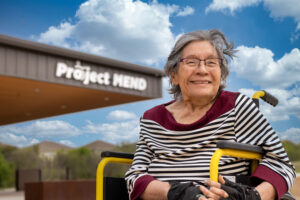
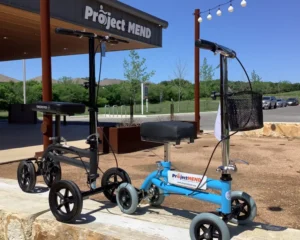
A 94-year-old veteran, Julian was finding it harder to get around independently. His aging transport chair needed repairs, leaving him increasingly reliant on others.
Then Project MEND stepped in. First, the nonprofit repaired the brakes on his chair. Later, it provided a refurbished power chair. In the words of the organization that serves him, Julian now “zooms around with his head held high and his independence restored.”
And while this story is about one person and one chair, it says something much bigger about how change happens.
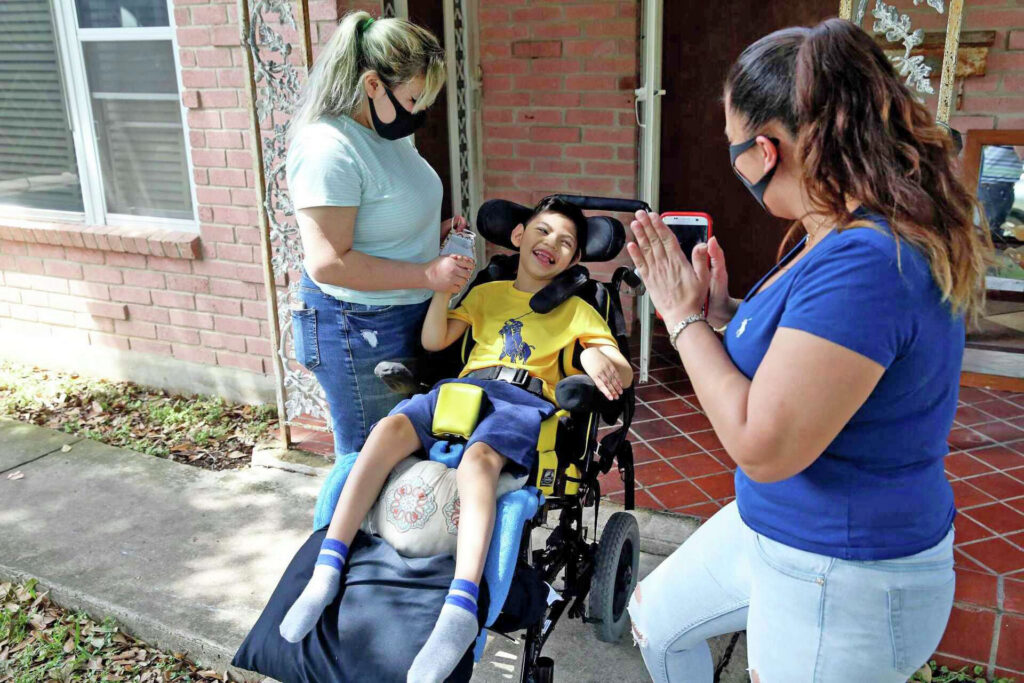
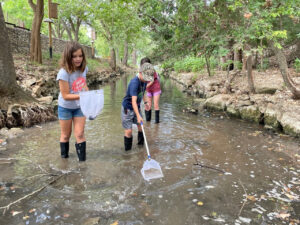
Across San Antonio and the surrounding region, nonprofits are helping people stay in their homes, reach a doctor’s appointment, find stability after trauma, put healthy food on the table, build stronger neighborhoods, connect with others, and navigate systems that can otherwise feel impossible to navigate alone.
This fall, the San Antonio Area Foundation is investing more than $1.5 million in 51 nonprofit organizations doing that work through its second cycle of 2026 Responsive Grants: $850,000 to 30 organizations working to build Livable and Resilient Communities and $693,000 to 21 organizations advancing Successful Aging.
These awards reflect what our community is telling us it needs to make an immediate impact and invest in lasting change.
Listening for Community Needs
At the Area Foundation, responsive grantmaking is how we stay connected to our community’s changing priorities and direct resources where they can make a meaningful difference. Organizations apply through a public process and Area Foundation staff conduct an initial review. Community Advisory Committees, made up of local residents and practitioners, then bring their community knowledge and experience to the final review and funding decisions.
This year, the need was unmistakable: The Foundation received 101 applications for Livable and Resilient Communities, its broadest impact area, encompassing work such as health, asset building, the built environment, community connection and creative placemaking. Another 70 applications came through Successful Aging, a 35% increase from 2023.
Across the applications, several needs came up repeatedly:
- The basics that build brighter futures. Food, housing, transportation, healthcare, and financial security are closely connected. When one is out of reach, it can make everything else harder.
- A safe, stable place to call home. People need housing they can afford and rely on. For older adults and people with disabilities, that can also mean home repairs, transportation, and other support that helps them live safely and independently.
- Healthcare people can reach and afford. Cost, transportation, insurance, language and a lack of nearby providers can keep people from getting the care they need.
- Connection and belonging. Staying connected to other people can help older adults remain healthier, less isolated, and more independent.
51 Organizations Moving Our Community Forward
The organizations receiving these grants are working across our region to help people live healthier, more connected, and more independent lives. Unrestricted grants give organizations the flexibility to put resources to work where their communities need them most.
“Lasting change does not come from solving one challenge in isolation. It happens when people closest to the work have the resources, trust, and partnerships to keep moving good ideas forward, together,” said Nadege Souvenir, CEO of the Area Foundation. “These organizations know their communities. Our role is to listen, invest in what is working, and help create the conditions for that work to grow into lasting impact.”
Livable and Resilient Communities Grant Recipients
Thirty organizations received $850,000 to help people across our region meet everyday needs, live healthier lives, build stronger connections, and create brighter futures.
- Food Pantry Poth Area
Successful Aging Grant Recipients
Twenty-one organizations received $693,000 to help older adults live healthy, connected, and independent lives in the communities they call home.
With these latest awards, the Area Foundation has awarded nearly $3.1 million through 101 Responsive Grants in 2026. Earlier this year, the Foundation awarded $703,000 to 26 Cultural Vibrancy organizations and $846,000 to 24 Youth Success organizations.
Across both cycles, 355 organizations applied, 192 advanced to Community Advisory Committee review, and 101 received grants.
Made Possible by Generous Donors
The Area Foundation is grateful to the generous donors and funds that help make these grants possible.
Grants to Livable and Resilient Communities applicants are made possible in part by:
- John L. Santikos Charitable Foundation
- Alamo General Hospital Surgical Fund
- Maurice and Edith Cohen Fund for the Blind
- Max and Victoria Garbich Memorial Fund
- Martha and Frank Herberth Memorial Fund
- Basil and Onie Karcher Fund
- Beulah M. and Felix J. Katz Memorial Trust
- Ruth Lang Charitable Fund
- E. B. Loch Charitable Fund
- Fred Roy Charitable Trust
- Semp Russ Foundation
- Ernestine Boylan Shugart Fund
- Simpson-Nooe Fund
- Lila G. and Vesey F. Taylor Fund
- Valley View Trust
- Frank H. and Flora Paeltz Wolff Trust
Grants to Successful Aging applicants are made possible in part by:
- John L. Santikos Charitable Foundation
- Ruth Lang Charitable Fund
- Fred Roy Charitable Trust
- Robley Freeman Sopris and Elizabeth Reese Sopris Fund
- Strauch Family Fund in Memory of Leonor Salinas
- Lila G. and Vesey F. Taylor Fund
- Elizabeth Madden Welch Fund
- Frank H. and Flora Paeltz Wolff Trust
- Anonymous Donors
From One Chair to Broad Change
For Julian and Project MEND, the outcome is easy to see: a repaired chair, followed by a refurbished power chair, gave the 94-year-old veteran greater mobility and independence.
Throughout the area, these grants will support work with equally practical goals: keeping older adults safely at home, connecting people to medical care and reliable transportation, helping families afford food and housing, and reducing isolation among people who may otherwise go without support.
And while these outcomes may look different from person to person, together they make brighter futures tangible: greater independence, better health, stronger connections, and more choices for what comes next.